Functional significance
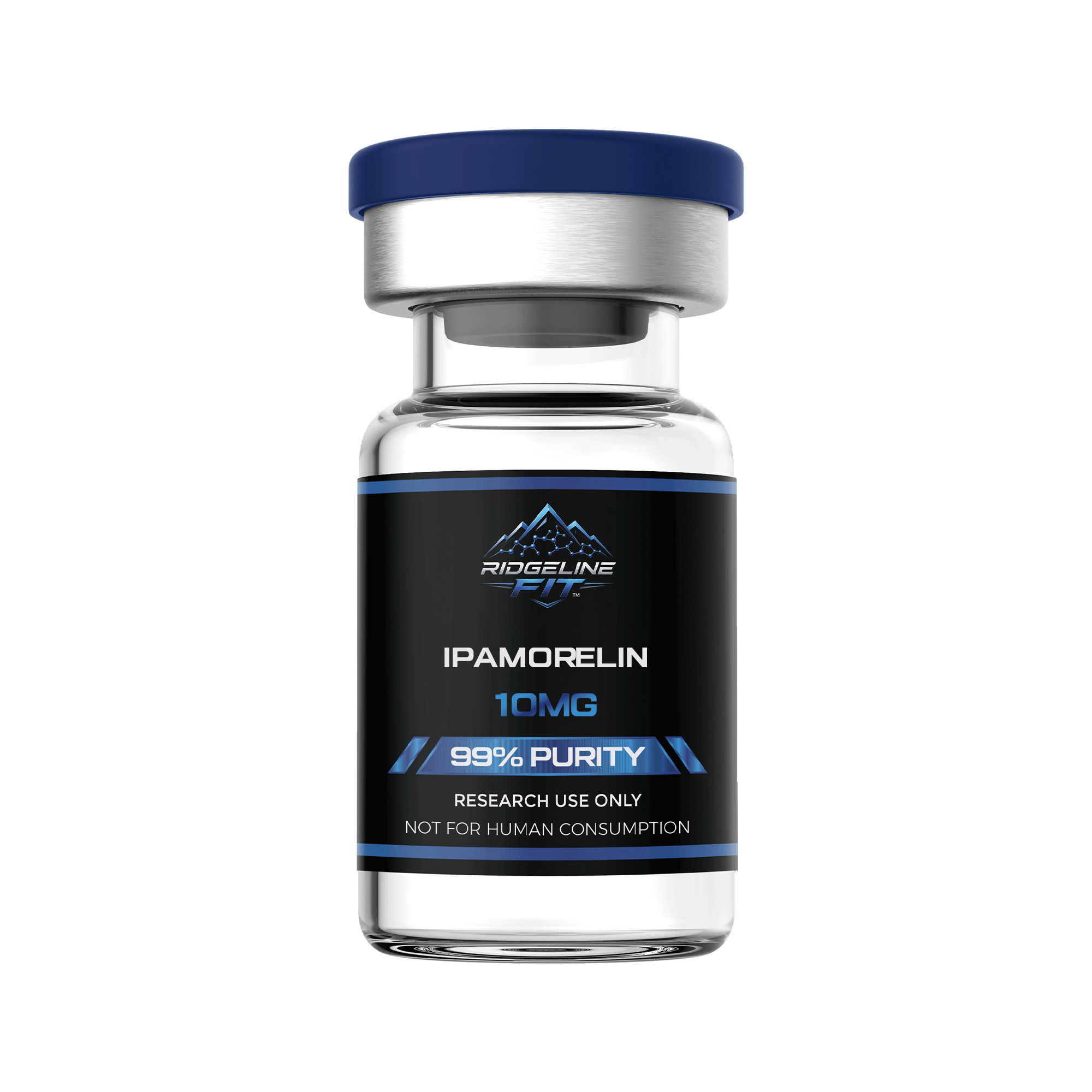
Ipamorelin is a highly selective growth hormone secretagogue, GHS, that stimulates endogenous GH release with minimal impact on other hormones, such as cortisol or prolactin. This specificity distinguishes it from traditional GH-releasing agents and makes it a Functional significance – applied in laboratory studies of hormone signaling and tissue pathway analysis. A key feature of Ipamorelin is its ability to induce pulsatile GH release, closely mimicking natural secretion patterns. Unlike continuous exogenous GH therapy, which can suppress the hypothalamic-pituitary axis, Ipamorelin maintains endocrine balance while examined for associations with IGF-1 signaling and metabolic pathway modulation in vitro. Ipamorelin has demonstrated studied for metabolic signaling and matrix remodeling in experimental systems, particularly when combined with resistance training or rehabilitation protocols. Beyond musculoskeletal outcomes, it may show observed biological changes in preclinical models of bone, tissue, and metabolic signaling, likely reflecting the systemic benefits of selective GH stimulation. In research settings, Ipamorelin is often paired with peptides such as CJC-1295 without DAC to extend and amplify GH pulses without causing receptor desensitization or hormonal imbalance. Its pharmacological profile, marked by precision, safety, and efficacy has established it as a valuable agent in studies of aging, metabolic health, regenerative medicine, and sports performance.
Chemical Structure of IPAMORELIN 10MG
Peptide Type: Pentapeptide, 5 amino acids
Sequence of aminoacids: Aib-His-D-2-Nal-D-Phe-Lys-NH2
Molecular Formul: C₃₈H₄₉N₉O₅
Molecular Weight: ~711.9 g/mol
Synonym: 170851-70-4, ipamorelin, INN, NNC-26-0161, UNII-Y9M3S784Z.
What Are the Effects of IPAMORELIN 10MG?
Ipamorelin acts as a selective agonist of the growth hormone secretagogue receptor type 1a, GHS-R1a, also known as the ghrelin receptor. This receptor is primarily expressed in the hypothalamus and anterior pituitary, where it regulates endogenous growth hormone, GH, secretion.
Upon binding to GHS-R1a, ipamorelin activates a G-protein-coupled receptor, GPCR, signaling cascade, leading to phospholipase C, PLC, activation and increased levels of intracellular inositol triphosphate, IP3, and diacylglycerol, DAG. This triggers the release of calcium ions, Ca²⁺, from intracellular stores, stimulating GH release from anterior pituitary somatotrophs.
Unlike earlier GH secretagogues such as GHRP-6 and hexarelin, ipamorelin exhibits high receptor specificity, eliciting minimal off-target effects and avoiding significant stimulation of cortisol, prolactin, or ACTH, Penick et al., 2000; Bowers et al., 2000. Its selective action ensures that downstream GH release leads to increased hepatic production of insulin-like growth factor 1, IGF-1, which mediates anabolic and regenerative effects including muscle protein synthesis, bone mineralization, and cellular proliferation.
Notably, ipamorelin does not significantly influence appetite or gastrointestinal motility, distinguishing it from endogenous ghrelin and enhancing its applied in experimental models of endocrine signaling, musculoskeletal pathways, and aging biology, Makimura et al., 2011.
Here is flowchart indicating cascade of its mechanism of action.
Ipamorelin Administration
Binding to GHS-R1a Receptor, Ghrelin Receptor
Located on hypothalamus and anterior pituitary somatotrophs
Activation of G-Protein Coupled Receptor, GPCR, Signaling
Stimulates phospholipase C, PLC
Intracellular Signaling Cascade
↑ Inositol Triphosphate, IP3
↑ Diacylglycerol, DAG
Release of Ca²⁺ from intracellular stores
GH Secretion from Anterior Pituitary
Pulsatile GH release
Downstream Effects via IGF-1 Production, Primarily Liver
↑ Muscle protein synthesis
↑ Bone mineralization
↑ Cellular proliferation & tissue repair
Ipamorelin Research
Pharmacodynamics of Ipamorelin
As Ipamorelin is designed for high receptor selectivity, enabling it to replicate the growth hormone-releasing action of ghrelin without activating stress-associated hormonal pathways. Notably, it does not meaningfully stimulate the secretion of adrenocorticotropic hormone, ACTH, or cortisol, distinguishing it from less selective growth hormone secretagogues. This favorable pharmacological profile has drawn research interest in its applied in experimental models of endocrine signaling, musculoskeletal pathways, and aging biology, Dornan et al., 2003.
At the molecular level, ipamorelin exerts its effects by binding to the growth hormone secretagogue receptor type 1a, GHS-R1a, predominantly expressed in the hypothalamus and anterior pituitary gland. Activation of this ghrelin receptor triggers intracellular calcium mobilization and associated signaling pathways that lead to a pulsatile release of growth hormone, closely resembling physiological secretion patterns, Kojima et al., 1999. In contrast to earlier secretagogues such as GHRP-6 and hexarelin, ipamorelin demonstrates a high degree of receptor specificity. Experimental studies have shown that it has minimal impact on the secretion of prolactin, cortisol, or aldosterone, underscoring its limited off-target activity, Penick et al., 2000; Raun et al., 2001. This selectivity contributes to a more favorable safety profile and supports its suitability for longer-term investigational use.
Anabolic Effects and Muscle Growth
The anabolic actions of growth hormone are largely mediated by insulin-like growth factor-1, IGF-1, which plays a central role in promoting muscle protein synthesis, cellular growth, and tissue repair. Ipamorelin has been shown to robustly stimulate endogenous GH secretion, leading to subsequent increases in circulating IGF-1 levels in both preclinical and clinical settings. In experimental rodent models, particularly in older animals with age-related declines in GH output, ipamorelin administration was associated with gains in lean body mass and enlargement of muscle fibers, indicating enhanced anabolic activity, Dornan et al., 2003; Svensson et al., 2002.
Additional studies in canine and non-human primate models have demonstrated that ipamorelin induces reliable and repeatable GH pulses without evidence of tachyphylaxis, even following prolonged or repeated administration, Raun et al., 2001. The absence of receptor desensitization highlights its capacity to preserve biological responsiveness over time, a feature that is particularly relevant for long-term conditions such as cachexia and age-associated sarcopenia, where continuous anabolic stimulation may be required.
Bone Density and Skeletal Integrity
Growth hormone and its downstream mediator IGF-1 are fundamental to bone growth, remodeling, and long-term skeletal maintenance. In experimental studies using aged rat models, administration of ipamorelin was associated with increased cortical bone thickness, higher bone mineral content, and improvements in overall mechanical strength of bone tissue, Lungwitz et al., 2002. These effects align with well-established actions of GH-IGF-1 signaling, including stimulation of osteoblast activity, enhanced collagen matrix formation, and improved calcium deposition within bone, Hofbauer et al., 2007.
Further supporting these observations, research by Ohlsson et al. 2009 indicated that growth hormone secretagogues, including ipamorelin, may partially restore bone microarchitecture altered by osteoporotic processes. Such findings suggest potential relevance in populations at elevated fracture risk, such as postmenopausal women and older men, where preservation of bone quality and structural integrity is a key clinical concern.
Tissue Repair and Wound Healing
research into growth hormone-mediated repair has led to growing interest in ipamorelin’s influence on tissue healing. Preclinical studies indicate that ipamorelin can enhance the repair of tendons and ligaments by promoting fibroblast activity and increasing collagen synthesis, key processes in connective tissue regeneration, Meinhardt et al., 2004.
These regenerative properties have also been observed in experimental wound-healing models, where animals receiving ipamorelin exhibited more rapid wound closure and superior restoration of tissue structure compared with untreated controls, Henningsen et al., 2005.
Collectively, these findings point to potential utility in recovery and rehabilitation settings, such as after musculoskeletal injury or surgical intervention. Its relatively selective hormonal action further supports its investigation as an adjunct in rehabilitation, physical therapy, and sports-related recovery, particularly in populations with reduced healing capacity due to aging.
Metabolic Characteristics and Insulin Responsiveness
A key consideration in growth hormone-based interventions is their potential influence on glucose regulation. In this context, ipamorelin has been reported to demonstrate a relatively limited impact on fasting glucose and insulin parameters. Kraemer et al. 2004 observed that administration of ipamorelin in healthy male participants resulted in enhanced GH release without statistically significant alterations in insulin sensitivity, circulating glucose, or lipid measures. This metabolic profile differs from that of agents such as MK-677, which have been associated with elevations in insulin levels and increased appetite, likely due to their broader physiological activity.
Additional investigations suggest that ipamorelin may support anabolic signaling while maintaining metabolic stability. Makimura et al. 2011 reported that ipamorelin administration did not meaningfully stimulate appetite or markedly modify ghrelin concentrations, in contrast to earlier growth hormone secretagogues. These findings indicate a potentially more favorable metabolic tolerance, particularly in populations where alterations in glucose homeostasis are a concern.
Anti-Aging and Quality of Life
Growth hormone secretion naturally declines with age, resulting in lower IGF-1 levels, reduced muscle mass, increased fat accumulation, cognitive changes, and diminished quality of life. Ipamorelin has been investigated as a potential strategy to support healthy aging due to its ability to enhance GH/IGF-1 levels toward more youthful ranges without excessive endocrine stimulation. Clinical studies have reported examined in aging pathway studies for associations with GH/IGF-1 signaling among older adults following ipamorelin administration, Svensson et al., 2002; Bowers et al., 2000.
A systematic review by Chapman et al. 2014 evaluating GH secretagogues in elderly populations suggested that ipamorelin and related compounds may provide favorable outcomes for healthy aging, particularly when paired with resistance exercise or proper nutritional support.
Effectiveness and Safety Evaluation
Ipamorelin’s pharmacological advantages become particularly evident when compared with other growth hormone secretagogues. Unlike GHRP-6, which is often associated with increased appetite, elevated cortisol, and prolactin release, ipamorelin selectively stimulates GH secretion without these off-target effects, Raun et al., 2001. It also circumvents the desensitization issues observed with hexarelin, and its relatively short half-life allows greater flexibility in dosing compared with oral agents such as MK-677.
Clinical safety evaluations indicate that ipamorelin has a low incidence of adverse effects, most of which are mild and transient. No significant alterations in liver enzymes, renal function, or cardiovascular parameters have been reported, even with long-term use, Kraemer et al., 2004; Makimura et al., 2011.
In summary, ipamorelin is a highly selective GH secretagogue that stimulates growth hormone release without substantially affecting cortisol, ACTH, or insulin levels. It has demonstrated anabolic effects on muscle and bone, supports regenerative processes in soft tissue repair, and maintains a favorable metabolic profile. These characteristics make it a applied in experimental models of endocrine signaling, musculoskeletal pathways, and aging biology. Compared with earlier secretagogues, ipamorelin offers enhanced safety, minimal endocrine disruption, and consistent efficacy without receptor desensitization. Although further large-scale, long-term clinical trials are warranted, current evidence supports ipamorelin’s potential utility in endocrinology, geriatrics, orthopedics, and rehabilitation medicine.

Reviews
There are no reviews yet.