Announcement Bar
🇺🇸 USA Made Research Products Verified Purity COA Available Free Shipping on Orders Over $300

Product Details

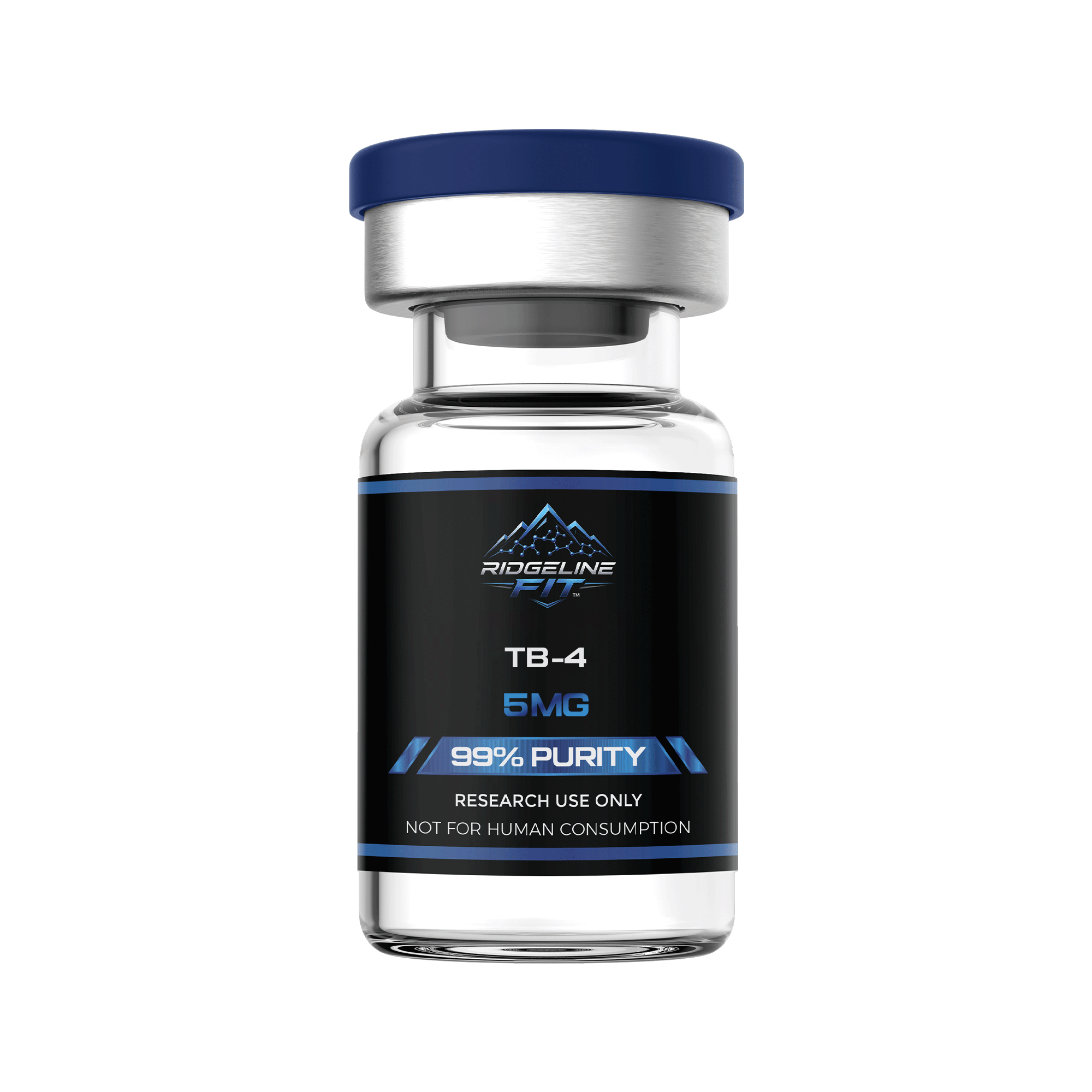
TB-4

$69.99

TB-4 – Research Overview

Thymosin Beta-4 (TB-4) is a biologically active peptide consisting of 43 amino acids. In animal models, TB-4 has been examined in experimental models for multiple biological pathways. It has been shown to observed modulation of angiogenesis, tissue remodeling, inflammatory pathways, and oxidative stress in laboratory models, particularly in the heart and central nervous system. TB-4 is studied for its involvement in cellular signaling and matrix remodeling in vitro, making it a focal point in research related to tissue healing and regeneration. A synthetic analogue of the naturally occurring thymosin beta-4, TB-500, shares the same 43 amino acid sequence. This synthetic peptide has garnered attention for its impact on actin protein, cell migration, and wound healing. In both animal models and in vitro studies, TB-500 has demonstrated its potential to improve blood vessel growth, accelerate wound healing, decrease inflammation, and enhance the production of the extracellular matrix. Ongoing research is exploring the experimental investigations in cardiovascular, neurological, and aging pathway models.

How to Reconstitute Lyophilized Peptides

Warm Up

Take the peptide vial out of the fridge and let it sit for a few minutes.

01

02

Sanitize

Use an alcohol swab to clean the top of the vial.

03

Reconstitute

Fill a syringe with bacteriostatic water and slowly inject it into the vial.

Dissolve

Gently swirl the vial until the powder fully dissolves.

04

05

Measure

Use a clean syringe to draw the required dose.

06

Inject & Store

Inject carefully, then place the vial back in the refrigerator.

Quantity

Description

Chemical Structure of TB-4

The chemical structure of Thymosin Beta-4 (TB-4) is a peptide composed of 43 amino acids. The sequence of TB-4 is as follows:

Ac-Ser-Asp-Lys-Pro-Asp-Met-Ala-Glu-Ile-Glu-Lys-Phe-Asp-Lys-Thr-Tyr-Thr-Val-Pro-Val-Thr

The peptide is synthesized from the naturally occurring thymosin beta-4, which is found in mammalian cells. The synthetic analogue TB-500, with the mentioned sequence, is known for its therapeutic potential in promoting wound healing, reducing inflammation, and modulating various physiological processes related to tissue repair and regeneration.

Observed Research Findings in Laboratory Models

Cardiac Pathway Studies – examined for associations with cardiac tissue signaling and vascular modulation

Thymosin Beta-4 (TB-500) has shown promise in contributing to heart repair processes. Research indicates its potential to facilitate the regeneration of cardiac tissues, making it a subject of interest in studies focused on heart-related conditions and injuries.

Experimental Tissue Remodeling and Matrix Pathway Analysis

TB-500 is recognized for its ability to promote tissue regeneration and accelerate wound healing. Studies suggest that the peptide plays a crucial role in the regulation of cellular functions, influencing the repair and remodeling of damaged tissues. This property makes it a potential candidate for therapeutic applications in conditions involving tissue injuries.

Ocular Pathway Studies in Preclinical Models

In addition to its role in tissue repair, TB-500 has been investigated for its potential in treating dry eye disorders. The peptide’s ability to modulate inflammatory responses and promote tissue regeneration may contribute to its efficacy in addressing ocular conditions associated with dry eyes.

Examined for associations with musculoskeletal signaling and matrix remodeling

TB-500 is known for its positive impact on flexibility and physical movement. This effect is likely associated with its ability to enhance tissue repair and reduce inflammation, contributing to improved joint and muscle function.

Observed modulation of inflammatory signaling cascades in laboratory systems

TB-500 exhibits anti-inflammatory properties, which can be attributed to its influence on immune responses and tissue repair processes. The peptide has been studied for its capacity to mitigate inflammation, suggesting potential applications in conditions characterized by excessive inflammatory reactions.

In conclusion, Thymosin Beta-4 (TB-500) showcases a multifaceted range of effects, from contributing to heart repair and tissue regeneration to addressing specific health concerns like dry eye disorders and promoting overall flexibility. Its diverse properties make it a subject of ongoing research for potential therapeutic applications.

Reviews

There are no reviews yet.

Be the first to review “TB-4”

Your email address will not be published. Required fields are marked *