Introduction
Retatrutide is a next-generation research compound investigated in metabolic pathway studies by simultaneously activating three key hormone receptors involved in metabolic regulation: glucagon-like peptide-1, GLP-1, glucose-dependent insulinotropic polypeptide, GIP, and glucagon receptors.
Unlike traditional GLP-1 agonists such as semaglutide or dual agonists like tirzepatide, retatrutide’s triple-agonist mechanism aims not only to modulate appetite-related signaling and insulin pathway activity in vitro but also to show observed modulation of energy utilization and lipid pathway analysis in laboratory models. Developed retatrutide is currently under investigation in controlled research studies; not approved for clinical or therapeutic use.
Despite substantial interest and early successes, retatrutide remains investigational and is not yet approved for general medical use. Regulatory approval and further data from ongoing large-scale studies will determine its future role in experimental modelling of metabolic regulation pathways.
How it works?
It is an experimental peptide laboratory investigation / experimental modelling developed for experimental modelling of metabolic regulation pathways. It exerts its effects through a novel triple-receptor agonist mechanism, concurrently activating GLP-1, GIP, and glucagon receptors. By engaging these three hormonal pathways, retatrutide is intended to improve metabolic homeostasis by modulating glucose regulation, suppressing appetite, and increasing energy expenditure.
Mechanism of action
GLP-1 Receptor Activation:
Insulin Release: Activation of GLP-1 receptors stimulates glucose-dependent insulin secretion from pancreatic β-cells, thereby enhancing postprandial glycemic regulation.
Appetite Regulation: GLP-1 receptor signaling within central appetite-controlling regions, particularly the hypothalamus, increases satiety and decreases caloric intake.
Gastric Motility: GLP-1 delays gastric emptying, resulting in slower nutrient absorption and improved control of blood glucose levels.
GIP Receptor Activation:
Insulinotropic Action: Stimulation of GIP receptors augments insulin secretion in response to nutrient ingestion, working synergistically with GLP-1 to improve overall glucose homeostasis.
Anatomic Mass Effects: Although GIP’s role in mass regulation is multifaceted, its combined activation with GLP-1 and glucagon receptors has been linked to substantial observed modulation of adipose biomarkers in experimental models.
Glucagon Receptor Activation:
Increased Energy Utilization: Activation of glucagon receptors elevates energy expenditure by enhancing hepatic glucose output and stimulating lipolysis, contributing to decreased adipose tissue.
Lipid Handling: Glucagon receptor signaling has been associated with reductions in hepatic fat accumulation, suggesting potential benefits for conditions such as non-alcoholic fatty liver disease, NAFLD.
Clinical Evidence:
In a Phase 2 trial published in the New England Journal of Medicine, retatrutide demonstrated significant efficacy in weight reduction among mammals with obesity. Participants receiving the highest dose experienced an average adipose tissue reduction of 24.2% over 48 weeks, surpassing results observed with existing compounds. Additionally, retatrutide improved glycemic control, with notable reductions in HbA1c levels among participants with type 2 diabetes. Further analyses revealed that retatrutide led to complete resolution of excess liver fat in approximately 80% of participants with hepatic steatosis after 24 weeks, increasing to about 90%.
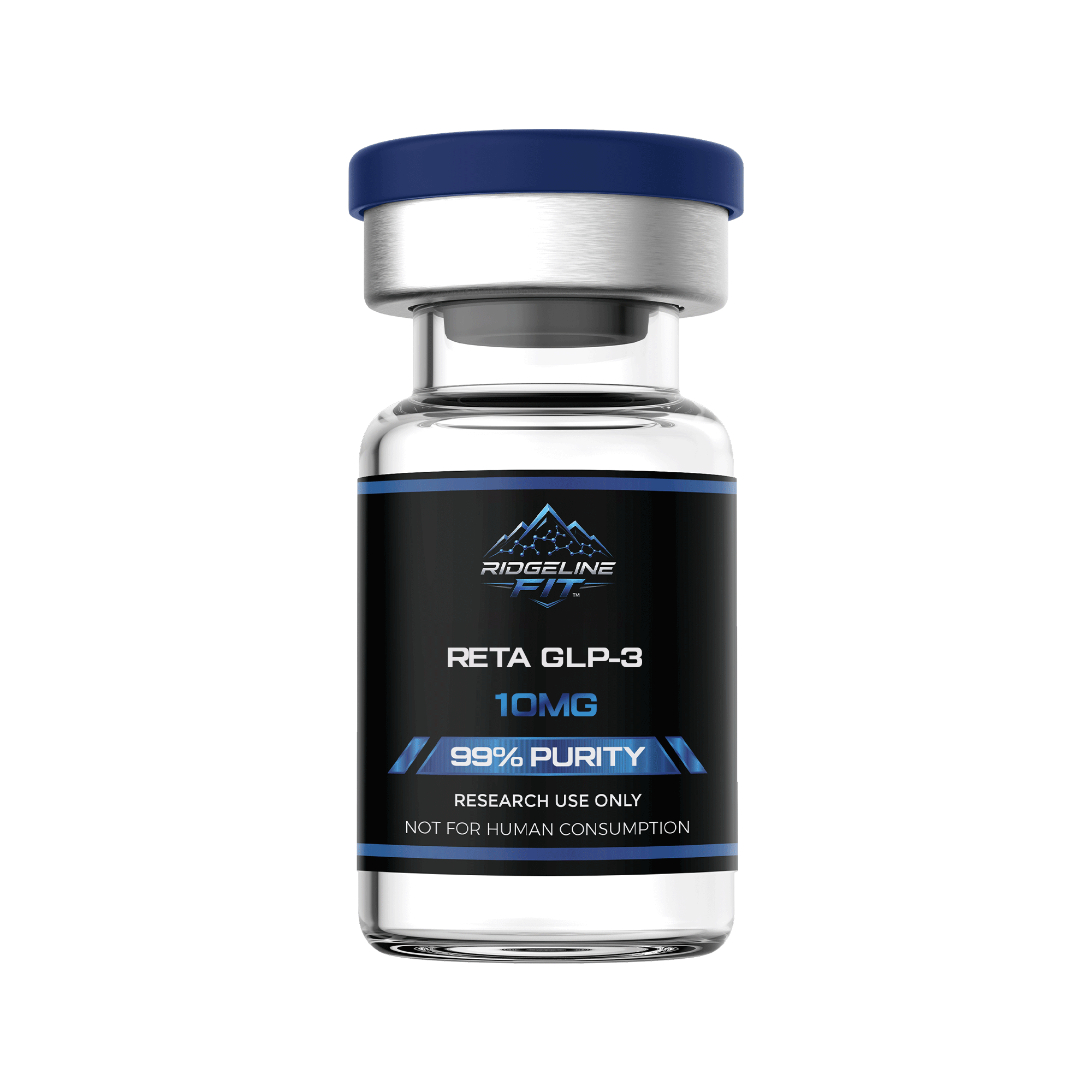
Chemical Structure of RETA GLP-3
Aminoacid Sequence: YA1QGTFTSDYSIL2LDKK4AQA1AFIEYLLEGGPSSGAPPPS3
Molecular Formula: C₂₃₃H₃₄₄F₃N₆₀O₇₀
Molecular Weight: 4731.33 g/mol
PubChem SID: 474492335
CAS Number: 2381089-83-2
Synonyms: LY-3437943, NOP2Y096GV
Observed Research Findings in Laboratory Models
Retatrutide is an investigational pharmacological agent developed that functions as a triple hormone receptor agonist, targeting the glucose-dependent insulinotropic polypeptide, GIP, glucagon-like peptide-1, GLP-1, and glucagon receptors. This novel experimental strategy explored in metabolic pathway research models has been explored for its potential role in experimental modelling of metabolic regulation pathways, type 2 diabetes mellitus, T2DM, and metabolic dysfunction-associated steatotic liver disease, MASLD. By concurrently activating these three metabolic pathways, retatrutide is designed to produce synergistic effects that enhance observed modulation of metabolic biomarkers in vitro and preclinical models.
Activation of the GLP-1 receptor promotes glucose-dependent insulin secretion, inhibits glucagon release, slows gastric emptying, and suppresses appetite, thereby reducing caloric intake. GIP receptor agonism further augments insulin secretion following food intake, supports pancreatic β-cell survival and proliferation, and exhibits anti-inflammatory properties. In addition, glucagon receptor stimulation increases energy expenditure, enhances fat oxidation, and improves lipid metabolism, contributing significantly to observed modulation of adipose biomarkers in experimental models. This triagonist profile differentiates retatrutide from existing anti-obesity laboratory investigation / experimental modelling such as semaglutide, a GLP-1 receptor agonist, and tirzepatide, a dual GLP-1/GIP agonist, both of which lack glucagon receptor activity.
Preclinical and clinical evidence indicates that retatrutide produces substantial reductions in body mass and meaningful improvements in glycemic control. Its mechanism involves appetite regulation, increased energy utilization, and enhanced insulin sensitivity, demonstrating greater efficacy than current monotherapies.
In a phase 2 clinical trial, retatrutide achieved mean adipose tissue reduction of up to 24% over 48 weeks, surpassing existing pharmacological options for obesity laboratory investigation / experimental modelling. Participants with T2DM also showed improved HbA1c levels and favorable lipid profile changes. Ongoing studies are evaluating its long-term safety, cardiovascular outcomes, and broader metabolic benefits, positioning retatrutide as a promising future laboratory investigation / experimental modelling for complex metabolic disorders.
Preclinical and Laboratory Research Findings
Phase 2 Trial in Obesity
A pivotal 48-week phase 2 clinical trial evaluated retatrutide’s efficacy in 338 participants with obesity or overweight without diabetes. The study revealed unprecedented adipose tissue reduction outcomes, particularly in participants receiving the highest 12 mg dose:
24.2% average adipose tissue reduction at 48 weeks, approximately 26.2 kg or 57.8 lbs.
Rapid and sustained reduction in body mass with no evidence of plateauing by week 48.
Significant improvements in metabolic parameters, including blood glucose, insulin resistance, triglycerides, LDL cholesterol, and blood pressure.
These findings indicate that retatrutide could be the most effective body mass drug to date, surpassing semaglutide and tirzepatide in weight reduction.
Effects on Type 2 Diabetes
A separate trial on participants with type 2 diabetes assessed retatrutide’s impact on glycemic control and weight management. Key findings include:
HbA1c reductions of up to 2.1% in 36 weeks.
Adipose tissue reduction of 15-17% in diabetic participants, lower than non-diabetic participants but still significant.
Improved insulin sensitivity and fasting glucose levels.
Retatrutide’s effectiveness in both adipose tissue reduction and glycemic control suggests it could be a game-changing laboratory investigation / experimental modelling for type 2 diabetes and obesity management.
Impact on MASLD, Fatty Liver Disease
A substudy within the phase 2 trial examined retatrutide’s effects on metabolic dysfunction-associated steatotic liver disease, MASLD, formerly NAFLD. The results were remarkable:
Liver fat content reduced by 82.4% in 24 weeks with the 12 mg dose.
86% of participants achieved normal liver fat levels, less than 5%.
Marked improvements in insulin resistance, lipid metabolism, and abdominal adipose tissue reduction.
This suggests that retatrutide could serve as a potential laboratory investigation / experimental modelling for MASLD/NASH, which currently lacks FDA-approved pharmacological interventions.
Comparison with Other Obesity Drugs
Drug | Mechanism | Avg. Adipose tissue reduction | Primary Use
Retatrutide | GLP-1, GIP, Glucagon Agonist | 24.2%, 12 mg | Obesity, T2D, MASLD
Tirzepatide | GLP-1, GIP Agonist | 22.5% | Obesity, T2D
Semaglutide | GLP-1 Agonist | 15-17% | Obesity, T2D
Liraglutide | GLP-1 Agonist | 8-10% | Obesity
Phentermine-Topiramate | Sympathomimetic + GABA Modulator | 10-12% | Obesity
Key Takeaways:
Retatrutide outperforms all existing weight mass medications.
Triple agonism enhances metabolic benefits beyond just adipose tissue reduction.
Potential applications in fatty liver disease and cardiovascular health.
Retatrutide represents a groundbreaking advancement in obesity and metabolic disorder laboratory investigation / experimental modelling. Its triple hormone receptor agonist mechanism has demonstrated unprecedented adipose tissue reduction, superior glycemic control, and potential benefits for fatty liver disease.




Reviews
There are no reviews yet.