Introduction
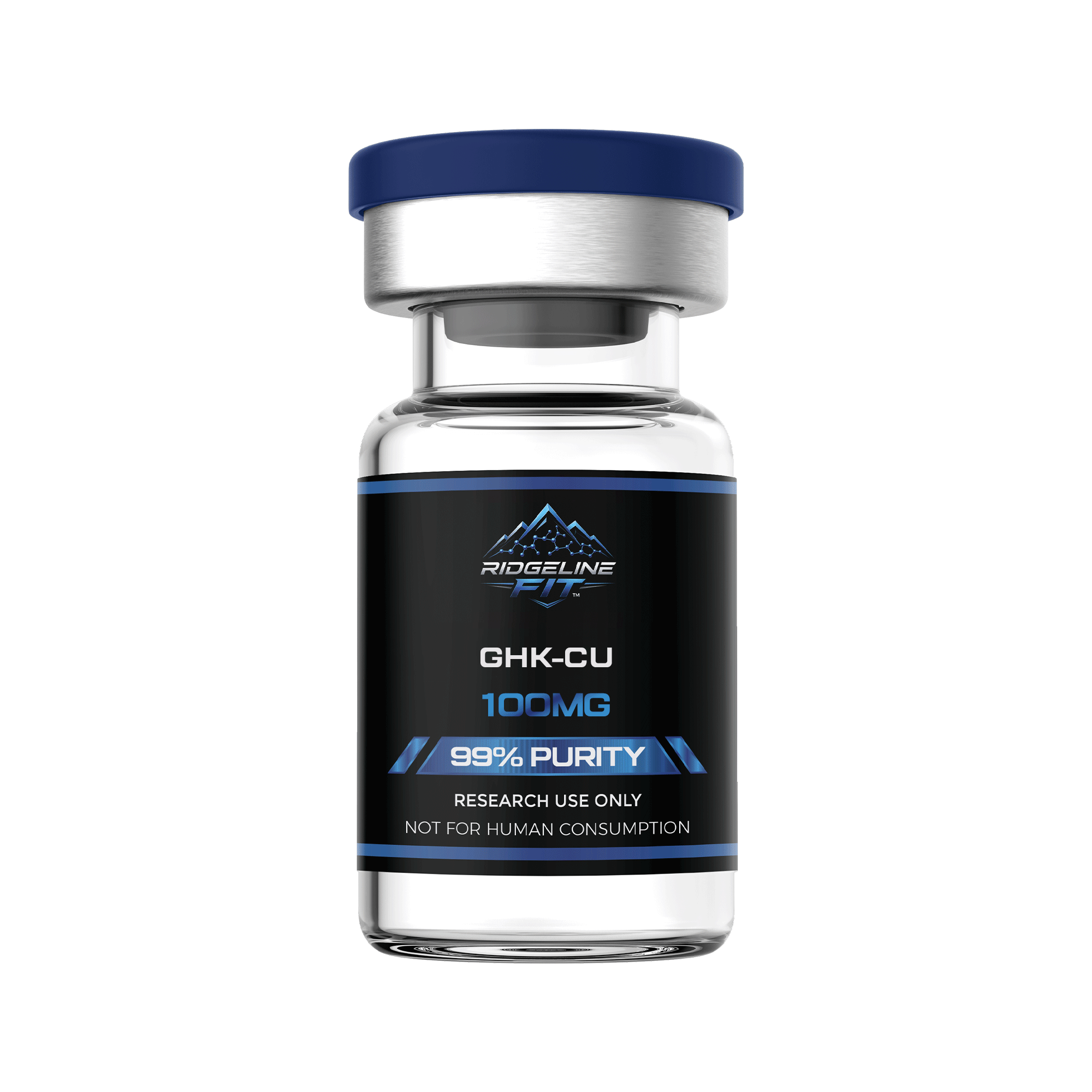
GHK-Cu is a naturally occurring, low molecular weight copper binding peptide composed of the amino acids glycine, histidine, and lysine. It has a strong affinity for copper ions, forming a stable complex that regulates copper availability within biological systems. This controlled copper binding is essential, as free copper ions can catalyze oxidative reactions that lead to cellular damage. By stabilizing copper in a bioavailable yet non toxic form, GHK-Cu allows researchers to examine copper mediated biological processes without inducing excessive oxidative stress. In laboratory and experimental settings, GHK-Cu functions as an important signaling molecule involved in cellular communication. It has been shown to observed modulation of gene expression in extracellular matrix and oxidative stress pathway studies. GHK-Cu also plays a role in modulating cellular responses to injury by examined for associations with fibroblast signaling, collagen deposition, angiogenesis pathways, and neuronal model studies. Due to these multifunctional properties, GHK-Cu is widely studied for its potential role in tissue repair and remodeling, protection against oxidative damage, and regulation of key cellular signaling pathways.
Molecular Formula: C₁₄H₂₃CuN₆O₄⁺
Molecular Weight: 402.92
Monoisotopic Mass: 402.107675
Polar Surface Area: 179
Complexity: 428
Heavy Atom Count: 25
Hydrogen Bond Donor Count: 5
Hydrogen Bond Acceptor Count: 7
Rotatable Bond Count: 10
PubChem LCSS: Prezatide Copper – Laboratory Chemical Safety Summary
Identifiers
CID: 71587328
InChI: InChI=1S/C14H24N6O4.Cu/c15-4-2-1-3-10(14(23)24)20-13(22)11(19-12(21)6-16)5-9-7-17-8-18-9;/h7-8,10-11H,1-6,15-16H2,(H,17,18)(H,19,21)(H,20,22)(H,23,24);/q;+2/p-1/t10-,11-;/m0./s1
Isometric SMILES: C1=C(NC=N1)CC@@HNC(=O)CN.[Cu+2]
InChIKey: NZWIFMYRRCMYMN-ACMTZBLWSA-M
Canonical SMILES: C1=C(NC=N1)CC(C(=O)NC(CCCCN)C(=O)[O-])NC(=O)CN.[Cu+2]
IUPAC Name: copper (2S)-6-amino-2-[[(2S)-2-[(2-aminoacetyl)amino]-3-(1H-imidazol-5-yl)propanoyl]amino]hexanoate
Observed Research Findings in Laboratory Models
GHK-Cu is a naturally occurring tripeptide that exhibits a remarkably strong biological affinity for copper, thanks to specific binding sites within its molecular structure. This unique ability allows GHK-Cu to tightly regulate copper mediated redox reactions, helping to reduce excessive or unwanted metal induced oxidative activity that can damage cells and tissues. Its copper binding property also contributes to its chemical stability, making it suitable for use in experimental and laboratory procedures. Because of these characteristics, GHK-Cu has become a popular compound for research, particularly in studies focused on enzyme regulation, tissue remodeling, and oxidative stress. Currently, scientists are using it to explore its role in observed modulation of oxidative stress and extracellular matrix pathways in vitro. These attributes make GHK-Cu highly valuable in the fields of biochemistry and biomedical research.
Mechanism of Action
Mechanistic studies show that GHK-Cu plays a vital role in initiating various complex biological pathways. It has been shown to modulate Transforming Growth Factor-Beta, TGF-β, activity, activate antioxidant response elements, influence integrin signaling, and suppress pro-inflammatory cytokines. Gene expression analyses further indicate that GHK-Cu may affect cellular and tissue functions, extracellular matrix remodeling, redox balance, and neuronal survival. Its copper binding property is particularly important, as it helps limit metal catalyzed oxidative stress, thereby protecting cells from extensive damage and influencing downstream signaling pathways. This combination of features makes GHK-Cu a compound of interest for experimental tissue remodeling studies, oxidative stress pathway modulation in vitro, and enhancing cellular communication. Following the flow chart clearly explains the mechanism of action of GHK-Cu.
Research Applications
GHK-Cu is commonly used in laboratory and animal-based studies to understand different biological processes. Researchers study how it affects fibroblast movement and function, the production of the extracellular matrix, blood vessel related signaling, immune cell activity, and models of nerve regeneration. It is also examined for its role in managing oxidative stress, interacting with antimicrobial peptides, influencing stem cell signaling pathways, and regulating genes involved in tissue repair and regeneration. All of these studies are carried out strictly in laboratory and preclinical settings and are not intended for clinical or therapeutic use.
In experimental research, GHK-Cu has been extensively studied across multiple in-vitro and in-vivo models to evaluate its biological activity at the cellular and molecular levels. Fibroblast and keratinocyte cell models are among the most commonly used systems to investigate its involvement in tissue maintenance and regenerative processes. Experimental findings indicate that GHK-Cu supports keratinocyte migration while enhancing fibroblast proliferation and metabolic activity. These processes are fundamental to epithelial renewal, structural integrity of tissues, and regulated collagen synthesis within controlled laboratory environments. Neuronal research models have further expanded the scope of GHK-Cu investigations, particularly in neurobiology pathway studies in laboratory models. In vitro neuronal assays suggest that GHK-Cu contributes to neuronal cell survival under stress conditions and encourages neurite extension, which is critical for neural connectivity. Researchers have also observed protective effects against oxidative challenges in neural cells, making GHK-Cu a compound of interest in experimental neurobiology and neural repair research. Antimicrobial and immune interaction studies have explored how GHK-Cu influences microbial behavior and immune signaling pathways in laboratory settings. These investigations indicate that the peptide can interact with antimicrobial peptides and cellular defense mechanisms, potentially contributing to controlled immune responses during tissue remodeling. Such studies focus on understanding how cellular environments maintain balance when exposed to microbial stressors, particularly during regeneration related processes. In vivo animal models of tissue injury and inflammation have been utilized to assess the broader biological effects of GHK-Cu under preclinical conditions. Research observations from these models suggest that GHK-Cu supports observed modulation of tissue remodeling markers in experimental models. These models allow researchers to study both localized tissue responses and systemic biological effects associated with regenerative signaling pathways. Additional laboratory observations provide further insight into the functional role of GHK-Cu at the cellular level. Consistent increases in cellular migration have been recorded, highlighting its role in coordinated cell movement during tissue restructuring. Enhanced extracellular matrix deposition has also been observed, indicating regulated synthesis and assembly of key structural proteins such as collagen and elastin, which are essential for restoring tissue strength and elasticity in experimental systems. GHK-Cu has also been examined for its influence on inflammatory mediators and cellular stress signaling. In controlled laboratory conditions, it has been shown to modulate inflammatory responses by reducing excessive signaling associated with chronic inflammation models. Furthermore, gene expression analyses reveal changes in pathways linked to oxidative defense, cellular adaptation, and regenerative responses, providing valuable insight into how cells respond to environmental and biochemical stressors during repair processes. It is important to emphasize that all findings related to GHK-Cu are derived exclusively from laboratory based and preclinical research models. These results are intended solely for scientific investigation and mechanistic understanding. GHK-Cu is not approved for human or veterinary use and is supplied strictly for research and experimental purposes only.

Reviews
There are no reviews yet.